Email us – info@nsim.in | Speak to Our Expert +91-9811020518

Admission Open for 1st Sep-26 Batch ( Only 15 Seats Left )
Graphic Designing Course
Graphic design is everywhere. From the social media posts you scroll through to the packing of your favourite snack, design pays a role in everything we consume visually if you've ever found yourself admiring a poster, a website layout, or a cleverly designed logo and thought, i wish i should create something like that, then you're already halfway down the path pf becoming a designer. Let’s take a closer look at what a graphic designing course really offers, what you can expect, and why it could be one of the best decisions you make for your career—or your creativity.
0+
Hiring Partners
0K+
Trained
0%
Job Placement
What is Graphic Designing Really About?
Graphic design is the art of creating visual content to communicate information, ideas, or emotions. While that may sound simple, the scope is enormous. Graphic design spans across:
Branding and logo design Social media graphics Web and app interfaces (UI/UX) Print designs like brochures, business cards, posters Motion graphics and video editing Packaging and product design Editorial layouts for books and magazines
Get Certification
Earn your certification and showcase your Graphic Designing expertise with confidence.
Why Take a Graphic Designing Course?
Let’s be honest. You can find thousands of tutorials on YouTube, free resources on Reddit, and even pirated software if you want to go rogue (which we don’t recommend). So, why pay for a graphic design course?
Because a course is more than just information—it’s structure, mentorship, and direction.
1. You Learn the Fundamentals, Not Just the Tools
One common misconception is that graphic designing is just about mastering tools like Adobe Photoshop or Illustrator. But tools are only as good as the hands that use them. A well-designed course teaches you the principles of design—composition, typography, color theory, spacing, alignment—before diving into tools.
This foundational knowledge helps you understand why something looks good, not just how to make it.
2. You Build a Portfolio That Stands Out
A course typically guides you through multiple projects—branding for a mock company, redesigning an existing website, creating product packaging, and more. These projects don’t just build your confidence, they become your portfolio—your first impression when applying for jobs or freelance work.
And let’s face it, without a portfolio, it’s hard to be taken seriously in the design world.
3. You Get Real Feedback
Watching tutorials is great, but there’s no one to tell you what you’re doing right or wrong. In a course—especially one with live classes or mentor support—you’ll get personalized feedback. And that’s where growth happens.
Good feedback turns average designs into impressive ones.
What’s Taught in a Graphic Designing Course?
Depending on the institute or course provider, the curriculum may vary. However, most solid graphic designing courses cover these core areas:
1. Design Principles and Theory
You’ll explore the fundamentals of design—balance, contrast, hierarchy, proximity, repetition, alignment, and white space. This part is like learning grammar before writing a novel.
2. Typography
Choosing the right font is an art. Typography is all about the arrangement and style of letters, and how they influence readability and emotion.
3. Color Theory
You’ll understand how colors interact, evoke emotions, and guide the viewer’s attention. This section teaches you how to create palettes that communicate the right message.
4. Software Mastery
You’ll work with industry-standard tools like:
Adobe Photoshop (image editing and manipulation)
Adobe Illustrator (vector graphics and logo design)
Adobe InDesign (publishing and layout design)
Figma or Adobe XD (for UI/UX design)
5. Branding and Identity Design
Learn how to create logos, design visual identities, and build consistency across marketing materials.
6. UI/UX Basics
Many courses now touch upon web and mobile interface design. This includes designing app screens, websites, and learning about user flows and wireframes.
7. Real-World Projects
From designing social media campaigns to revamping packaging for a product—hands-on experience is crucial.
Graphic Design Industry Overview - 2024
Market Size & Growth
Global graphic design market size: Estimated at $48.5 billion in 2024
Annual growth rate: Around 3.5%, driven by digital marketing, UI/UX design, and remote freelance work.
The U.S. remains the largest single market, contributing over 25% of global revenue
Top Hiring industries
Marketing & Advertising
Technology / Software Companies
E- commerce & Retail
Media & Entertainment
Education / Online Learning Platforms
Most In-Demand Graphic Design Skill
UI?UX Design (notably for web & mobile apps)
Motion Graphics & Animation
Brand Identity Design
Social Media Graphics
Adobe Creative Cloud Proficiency (especially photoshop, Illustrator, InDesign, and After Effects)
Freelancing & Remote work
Over 50% of graphic designers worked freelance or contact based in 2024.
Platforms like Upwork, Fiverr, and Toptal saw a 12-15% increase in demand for design gigs.
Top freelance design services: Logo design, Pitch deck design, UI kits, and packing.
Who Should Enroll in a Graphic Designing Course?
You don’t need to be a born artist or sketching genius. In fact, some of the best designers come from completely unrelated fields—engineering, commerce, science, or even law.
Here are some people who often benefit the most:
Students looking for a creative career path
Marketing professionals wanting to level up their design skills
Entrepreneurs and small business owners who want to design their own branding
Freelancers seeking a new income stream
Hobbyists wanting to express their creativity through visual art
All you need is curiosity, an eye for detail, and a willingness to learn.
Career Opportunities After a Graphic Designing Course
A well-structured course can open the doors to a variety of career paths, both full-time and freelance.
Here are some roles you can explore:
Graphic Designer
Visual Designer
Brand Identity Designer
UI/UX Designer
Motion Graphics Artist
Creative Director (with experience)
Social Media Content Designer
Packaging Designer
You can work in advertising agencies, design studios, publishing houses, media companies, tech startups, or even go solo as a freelancer.
What’s even better? Many companies are now remote-first, so your talent can take you global—even from your bedroom.
Soft Skills You’ll Develop Along the Way
Graphic design isn’t just about visuals. It’s about communication. During a course, you’ll develop several skills that are useful beyond the design world:
Problem-solving – How to visually solve communication challenges
Time management – Meeting deadlines with tight turnarounds
Attention to detail – Small tweaks can create big impacts
Presentation – Explaining your design decisions to clients or teams
Creativity – Thinking outside the box becomes second nature
These soft skills make you not only a better designer but also a better professional in any role.
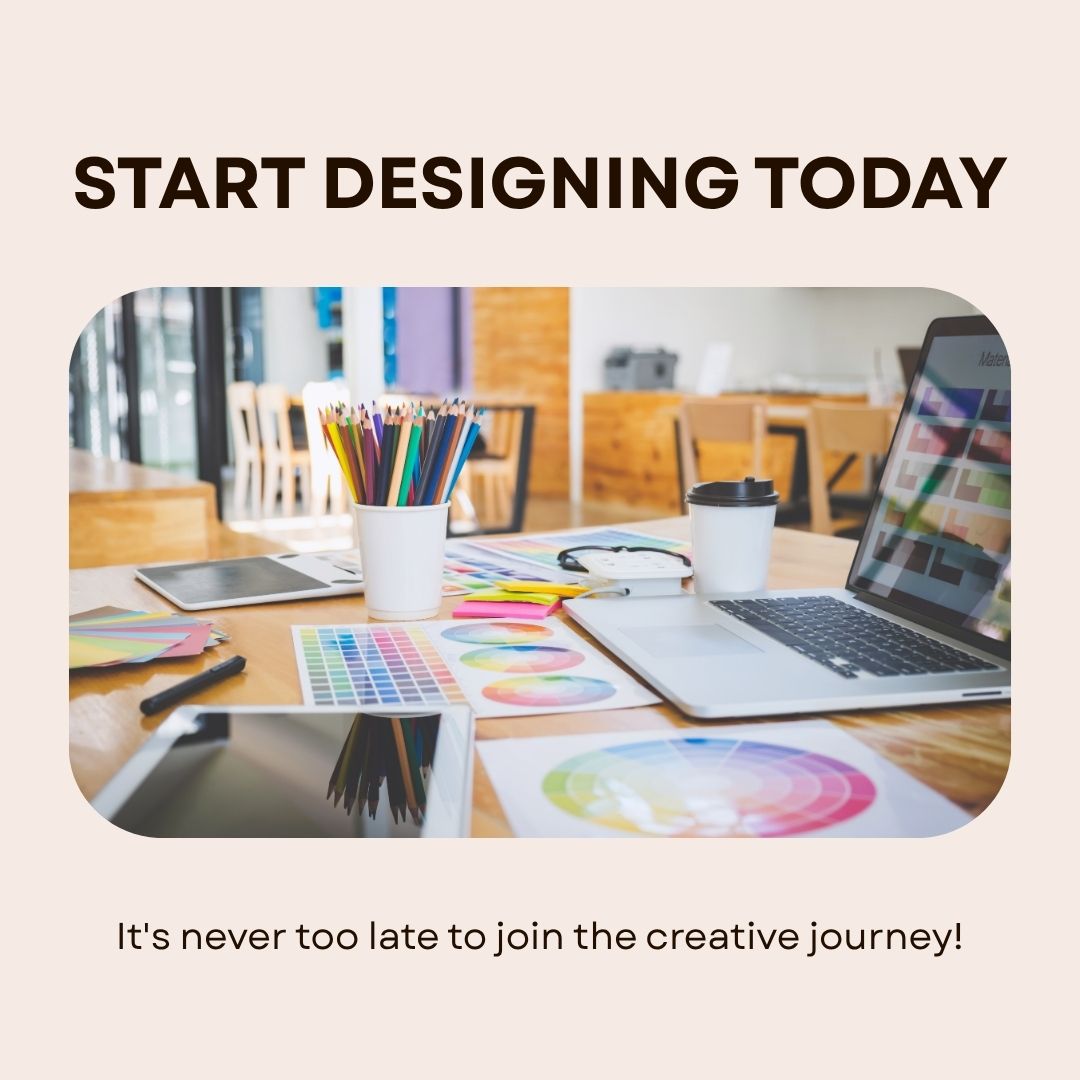
It’s Never Too Late to Start Designing
Whether you’re 18 or 38, creative or analytical, a graphic designing course can offer you more than just a skill—it can give you a new lens through which to view the world.
Design is not just about making things look pretty. It’s about understanding people, solving problems, and expressing ideas in ways that words alone can’t. If you’ve ever felt that creative itch or wanted to build something visually impactful, a course in graphic design is your doorway.
Don’t wait for the “perfect moment.” Start learning, start exploring, and most importantly—start designing.
Your creative journey is just a click away.
Choosing the Right Graphic Designing Course
With hundreds of courses online and offline, choosing the right one can be overwhelming. Here are a few things to consider:
Faculty or mentors – Are they experienced designers?
Curriculum – Does it balance theory with practical projects?
Portfolio support – Will you graduate with work samples?
Software training – Are the latest tools covered?
Reviews – What do past students say?
Also, consider whether you prefer online flexibility or in-person mentorship. Both have their pros.
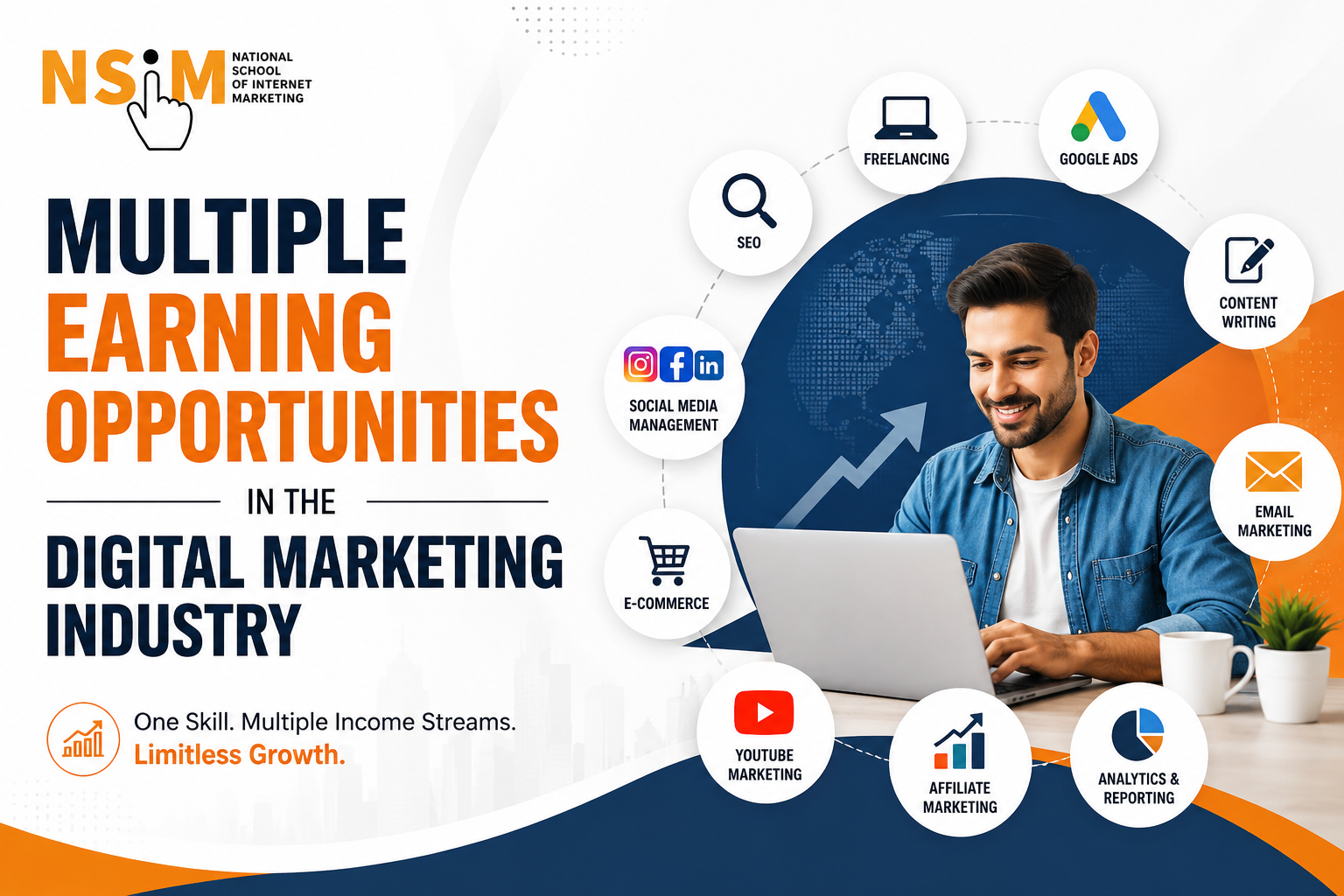
Multiple Earning Opportunities in Digital Marketing Industry


Is Digital Marketing an IT Job?
Have Questions? Contact Us Today